
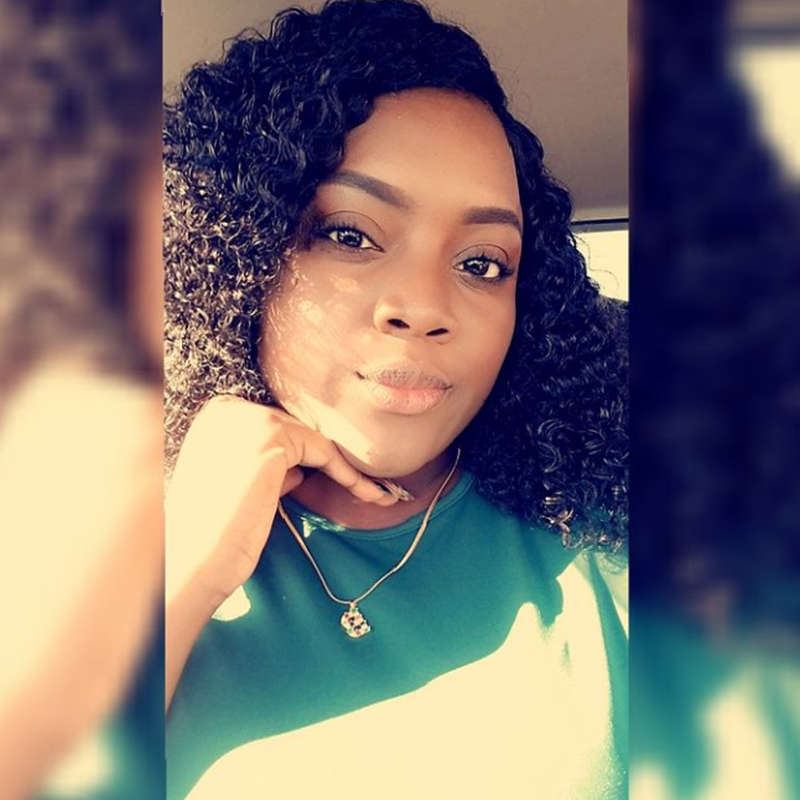
Interviewee: Asheka Williams, St. Catherine, Jamaica
Interviewer: Nyamekye Edwards, Amherst, MA
Date: November 1, 2020. Via Zoom
Topic: International Perspectives on COVID19
Nyamekye: Hello
Asheka: Hi
Nyamekye: Hi, so, as you know, this is an interview about how COVID has affected people’s lives. Just to get started, there are a few things I need to get out of the way. There will be some paperwork- release forms, that you’ll need to sign. I send those at the end of the interview. And I’m recording this interview, are you okay with that?
Asheka: Sure.
Nyamekye: I’m recording this for research purposes. Can you start with a few things. Do you mind stating your name, where you’re from, and your age please?
Asheka: I’m Asheka Williams, I’m 26 years old. I am from the tropical paradise of Jamaica.
Nyamekye: What’s your job title?
Asheka: I’m a bank reconciliation officer, in other words I am an accounting officer. So, what I basically do is, I reconcile several bank accounts to ensure that there are no discrepancies, and that we provide accurate and timely financial reports.
Nyamekye: From your line of work, what are some of the ways COVID has affected the country financial wise?
Asheka: Financially, COVID has affected Jamaica severely because Jamaica is highly dependent on tourism. And because of the COVID situation — we’re trying to combat the spread of the virus — so we’re not having as much tourists coming into Jamaica as we speak right now. There are a few, but usually at this time of the year, our hotels would be ram pack [overly packed], and because of COVID, and we have to be doing social distancing. You have to understand that everyone basically have to incorporate protocols to stop the spread of the virus. So we have to do a lot of screening, quarantine.
It’s quite hectic to travel right now. For me, I usually travel at least once for the year, but that will not happen any at all for the year. A lot of small businesses stop operating because they are not getting as much support. Clients and sales keep on declining, so that’s another financial aspect that is being severely affected by COVID. Also, a lot of persons lost jobs, like, the unemployment rate has increased due to the loss of jobs. You have persons that basically cannot afford their basic needs and wants, so financially it has been rough… for the country.
Nyamekye: Can you elaborate on how COVID has affected you? You mentioned like, your traveling, but more on a day-to-day basis?
Asheka: For me, personally, COVID has affected my life in that even my means of transportation … like, usually when I’m going to work, I would take public transportation. But out of fear of actually contracting the virus, I no longer take public transportation. And also, I minimize my grocery shopping, grocery shopping. I only go when it’s necessary. I shop online completely, I avoid crowds, I basically don’t go out anymore. The most I go out is to dinner, which, that is usually like early in the afternoon because with all that is going on with COVID, the government has implemented a lot of protocols to basically stop the spread or to limit the spread of the virus. So, now we have nightly curfew. So the country is basically under curfew from 9 pm to 5am.
This time may vary based on if it’s a public holiday, when you know that, on a public holiday everyone is basically at home. So persons will want to go out or want to party and keep events, so the government will stipulate an earlier time for curfew to start. For example, earlier this month, as in October, we had a national holiday, the National Heroes Day. And our curfew was from 3 pm in the afternoon to 5 am the next morning. That would be because persons are going back to work the next day. So that basically stops persons from going out, keeping parties, events, gathering in a large crowd, and to basically stop the spread of the virus. So, I believe, otherwise from the entertainment and the nightlife, COVID haven’t really affected me much because I’m able to do the same set of stuff that I usually do, which is go to work, go home, that’s it.
Nyamekye: Next question, have you ever tested for the virus, COVID 19?
Asheka: No. Here in Jamaica, you mainly get tested for the virus if you are displaying any symptoms, that is, high fever, high temperature, body temperature, headache, flu like symptoms. So once you’re displaying any of the COVID 19 symptoms, then we will require you to quarantine for 14 days, in which you can also go and take the test. I’ve never tested, I have never done the test before.
[Interviewee asked if I could repeat the question.]
Nyamekye: Do you know anyone who has tested positive for COVID 19?
Asheka: Yes. A coworker of mine tested positive for the virus. And what they did was to send the entire department, an area, on 14 days quarantine. The person was placed in isolation and treated and tested again, and their result came back negative. But, how they usually do though is, that department that they send home if anyone from that department is displaying the symptoms of COVID 19, then they will send them to get tested as well. As we all know, you can get exposed to the virus and don’t contract it, so 14 days quarantine will give a good enough time frame for you to show or display the symptoms of the virus.
Nyamekye: How has the person being tested positive affected you?
Asheka: Well, it did not affect much because what we did from the beginning was to place plans and measures in place just in case something like that happens. The flow of work will not stop. Based on my job title, I actually have to interact with persons from other departments, so if the person is not able to give me certain information, then I am not able to complete my job. So what we did, is we [put] measures in place just in case something like that happens. The person will be able to work from home, or someone else will assume the duty of that person so that the regular day-to-day process of our job can be completed in a timely and efficient manner. What persons should understand is that even though we’re in a pandemic, our livelihood still goes on. We still need to operate as if it wasn’t here, the new normal.
Nyamekye: So, Asheka, what are your thoughts about how COVID 19 was handled in your country?
Asheka: My country?
Nyamekye: Yes. Is being handled right now or currently?
Asheka: I believe the government is trying their best to limit the spread of the virus. We basically cannot control the activity of everyone, we can only set measures in place and hope that persons will abide by the rules and the regulations and the laws of the country. So, I believe if the law is there and persons do not obey the law, then they should face the consequences. I believe that the government put protocols in place to actually limit the spread because at this point. It’s already here in Jamaica. What we can hope for is for less person to contract the virus or even if they do contract the virus, their immune system will be strong enough to actually fight the virus. But, I believe enough measures are set in place to stop the spread because we cannot basically stop operating because this pandemic is all over.
It’s not just Jamaica it’s affecting. It’s affecting the entire world: USA, UK, and these countries are all operating. Jamaica is a small country and the person just needs to understand and get used to it. Life goes on: protect yourself, six feet apart, wear a mask, sanitize, wash your hands. A lot of persons are of the opinion that the virus is not real but, what I can say is, it is real. Sanitize, wear a mask, keep your distance, wash your hands and just hope for the best. Hope for a vaccine or something that will actually eliminate COVID 19. Don’t be ridiculous because if you cannot hear, you definitely will feel. And what persons should understand is that not everyone will be able to afford a ventilator so you need to protect yourself and your loved ones.