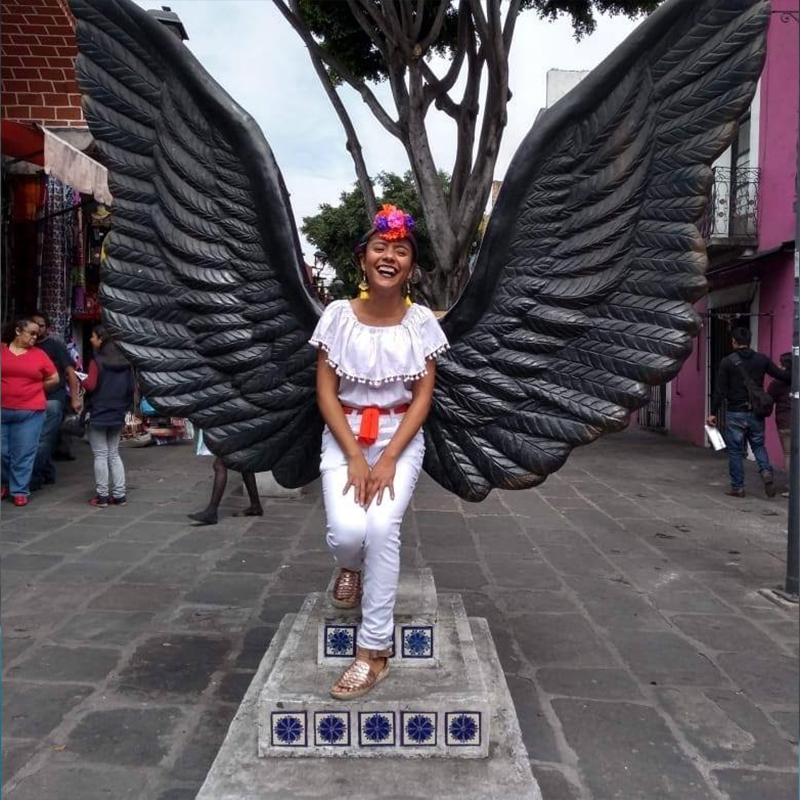
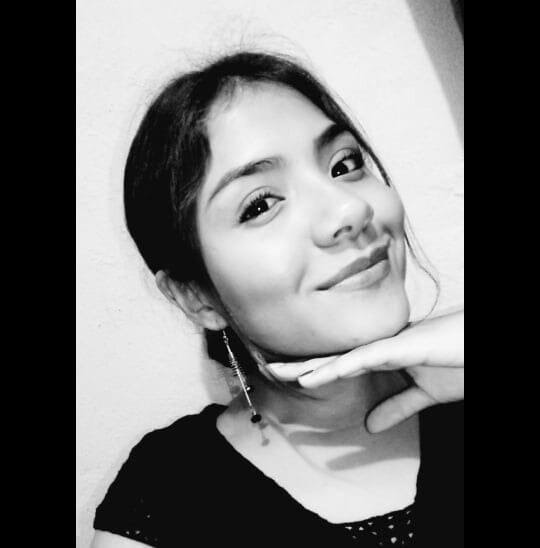
Nombre de la entrevistada/Name of the interviewee: Monica Lopez
Ubicación del entrevistado/Location of interviewee: Puebla, República Mexicana
Entrevistador/Interviewer: Carolina Lopez
Amherst, MA, Mediante zoom/Via Zoom
(Para español, desplácese hacia abajo/Scroll down for Spanish)
CAROLINA LOPEZ: My name is Carolina Lopez, today is October 19, 2020, I will be interviewing my cousin, Monica Lopez, for the Hampshire College COVID19 Oral History Archive. Monica, what year and where were you born?
MONICA LOPEZ: I born on April 30, 2000, in Mexico, Puebla
C: What is your current occupation?
M: I am currently a student and have a technical career in styling.
C: Great, also. I am located in Hampshire College Amherst, MA. Monica, could you please permit me to include your interview, both audio and visual, in the Hampshire College COVID19 Oral History Archive?
M: Yes, I permit you.
C: Well, first question. How or when did you find out about COVID19 and the pandemic?
M: I just found out in March, it was through social networks and later I confirm this because of the news.
C: Second question. How did COVID-19 affect you, personally?
M: I think, COVID-19 came to make us all reflect and I think it affected everyone in a different way for me personally in a total lack of personal communication with all my friends.
C: Next question. How did COVID-19 affect your friends, neighbors, and co-workers?
M: Personally, it didn’t affect me very much, but I know from some friends that their work decreases, their working hours decrease and as a result they get less money.
C: I understand that several of your relatives have died from COVID-19. I am sorry to hear that … Who were they?
M: It was only one of my relatives who died of Covid-19 and it was my maternal great-grandmother. She was very important to me, it was only one. The other two relatives died for natural reasons.
C: Do you know how and when she got sick from the virus?
M: I know that someone infected her because no one of her close relatives have symptoms. When she went to the doctor, they did not help her because the doctor thought it was just a cough or just flu and when they discovered it was COVID-19, she was already very advanced.
C: Did they test her for COVID19 to make sure she had the virus?
M: No, they didn’t do a test until they got her into the hospital.
C: Can you tell me more about her symptoms?
M: I remember that the strongest symptoms were a dry cough and a lot of body pain.
C: Did you go to a hospital or did you stay home?
M: She stayed at home for a while, until her symptoms started to get stronger when she couldn’t breathe anymore, they took her to the hospital and she spent her last days in the hospital.
C: How did the coronavirus affect the funeral of your relatives?
M: The way it affected their funeral was more in our traditions that we have in Mexico, also because not many people were allowed to be together as we normally do here. But I think it was how it had to be done due the circumstances — only the closest familiar were there. Unfortunately, it did affect us since it could not be done as we used to.
C: Would you have liked it to be different from the funeral of your relatives?
M: For the funeral of my family members, what I would liked to have been different is to be able to do our traditions as we do in Mexico. Also be able to be present with them at the cemetery, which was not possible since it was cremation. And it was not allowed to have many people in the same place. There are many things that I would like to have changed in terms of their funeral.
C: What was the most difficult part for you when dealing with the deaths of your family members?
M: I think that after a loss of someone you love, the most difficult part of it is assimilating it, assimilating that this person is gone and you will not see them again. It feels bad when you think that the person is gone, that he or she can no longer breathe. But the most difficult thing is his absence after a while. We live accustomed to the people around us so that when they disappear from your life, the absence is what hurts the most since you have to assimilate that it will no longer be there for you.
C: What was the pain like for you during the pandemic?
M: It is difficult because in those moments you would like to be with your family and friends to get them help. The fact that I cannot go out to distract myself makes me only have memories with them. But the most important thing is to remember those people with their essence as they were. I also have to mention that pain is different for everyone.
C: Do you think that if this virus had not happened, your relatives would still be alive?
M: I think that if this virus had not happened, or the pandemic had not occurred, one of my relatives would still be here, I mean my great-grandmother who died of COVID-19. But for the other two, I think not. If the virus had been here or not, I believe that what happened to them is not related to the virus. But regardless of that, one never knows what could have happened if the pandemic and the virus had not occurred.
C: What do you think of how the government of Mexico handled the pandemic?
M: I think the government of Mexico was a bit irresponsible because if they had reported the existence of this virus and educated the population, I think this could have saved many lives. Although the virus, it was confirmed in March in Mexico, we let ourselves be carried away by misinformation and we did not take care of ourselves as we should. People kept going out and did not take preventive measures because they believed that the virus does not exist. People believed that this was an invention. Until things started to get worse, people realized that it was not an invention of the government or hospitals. I think that the lack of education for the population … was the most irresponsible.
C: So for you, the lack of information about the virus was one of the biggest problems?
M: Yes, because we are not used to covering or wearing a mask when a person is sick. I think we needed to learn more about it. Because now I realize that when a person is sick, they must cover themselves up at home so they don’t infect more people. But I didn’t see that before. Anyway, I think that if we were taught when we were little to wear a mask when a person is sick, it would be good because it would not be so difficult to wear it or forget it.
C: Economically speaking, how has Covid-19 affected you?
M: COVID-19 affected the population economically, yes, but I believe all people were affected in different ways. For example, here at my house, my Mom and Dad continued with their normal work, but my uncle was unemployed throughout the pandemic. Because he works in an environment where there is a large public, this did affect all his expenses. For this reason, it has been complicated. To me personally, it affected me in different ways. Since I couldn’t graduate and I don’t have my graduation papers, I don’t have a job even though I have attended all my internships. It did affect my family a lot but we all went forward together.
C: I don’t want to bring it up again but I think we didn’t get into the point a bit. About your great-grandmother, could you mention a little more the fact that they took her to a hospital and then to another where they were treating her but this did not help much.
M: Yes, of course. So when she began to have symptoms, she was attended by a private doctor, where they tried to moderate the symptoms. Since the doctor did not know that she had the virus, the doctor sent her home. After some days passed, and she was sheltered in her home, things began to get complicated because she start to not be available to breathe anymore. We all started to feel that she was going to die, that she was leaving. Due to desperation, we did not know what to do, where to go, or where to take her [or] what measures to take in the face of these events. The first thing to [that] the people in charge of her [did], was to call all the ambulances that they could, but the hospitals and ambulances didn’t help her because she had symptoms. It should be noted that this happened on a Sunday night, so there was almost no service.
M: They proceeded to put her in the car and take her personally to a hospital but no hospital wanted to receive her. They took her into hospitals, one by one, and none wanted to receive her because she had symptoms. Others only gave us excuses to not receive her. Family members continued searching until they got her into a hospital where the doctors tested her for COVID-19 and confirmed that she did have COVID-19. Also the hospitals ask for a very large amount of money per day to receive her. I heard that the hospital asked to buy a drug that would strengthen their defenses, which was very expensive too.
M: The doctors informed the family that she was getting better. But the family that was going to see her everyday was not available to visit her, like in person. The hospital was full with many people with COVID-19. And because of that, people who were not sick could not enter. The doctors informed us that she was getting better, but we could not confirm this information and we only had to believe what doctors were saying. Eventually we were not able to afford this private hospital anymore, [so] we investigated public hospitals whose cost was cheaper. When we found one, we transferred her. And that same night [on her way] to that public hospital in an ambulance, when we saw her, she looked the same or worse than when they admitted her in the private hospital. We thought she had not received any help in the private hospital. Upon arriving at the public hospital, they informed us that they did not see any kind of hope that she would recover or be well again. And that same morning, she died and that she would be cremated, since all those who had COVID-19 are cremated. And I could only go for her ashes the next day.
C: They didn’t give you the option to bury her? They only told you that she would be cremated?
M: As far as I know, no, they were not given another option because the bodies with COVID-19 can only be cremated here. The truth is I don’t know what the reason for this is.
C: Last question: we have talked about many things. I wonder if there is anything you want to add. Maybe something we take a look at?
M: The only thing I would like to add is that it is important to communicate with each other and inform us as well since there are still people who believe that COVID-19 does not exist. Also that we value the time we have with each person and what we share with these same people.
C: Thank you for this interview. I’m going to stop recording but you should wait on the call and I’ll be with you.
CAROLINA LOPEZ: Mi nombre es Carolina Lopez, hoy es el día 19 de octubre de 2020, hoy estaré entrevistando a mi prima, Monica Lopez, para el Archivo de Historia Oral COVID19 de Hampshire College. Mónica ¿En qué año y dónde naciste?
MONICA LOPEZ: El 30 de abril del 2000 en México, Puebla.
C: ¿Cuál es su ocupación actual?
M: Actualmente soy estudiante y tengo una carrera técnica en estilismo.
C: Estoy ubicado en Hampshire College Amherst, MA. Monica, ¿podría permitirme incluir su entrevista, tanto en formato de audio como visual, en el Archivo de Historia Oral COVID19 de Hampshire College?
M: Si, si te doy permiso.
C: Bien la primera pregunta. ¿Cómo o cuándo se enteró de COVID19?
M: Yo me enteré en Marzo, por medio de las redes sociales y después lo comprobé gracias a las noticias.
C: Bueno, segunda pregunta. ¿Cómo te afectó el COVID-19, personalmente?
M: El covid 19 llegó para hacernos reflexionar a todos y yo creo que afectó a todos de forma en que después de acostumbrarnos a la comunicación constante con las personas deberíamos permanecer en casa, yo creo que así nos afectó.
C: Siguiente pregunta. ¿Cómo afectó COVID19 a sus amigos, vecinos y compañeros de trabajo?
M: Personalmente no me afectó mucho, pero se de unos amigos que su trabajo disminuye, disminuye su hora de trabajo y como resultado su paga también.
C: Tengo entendido que varios de sus familiares han fallecido por COVID19. Lamento escuchar eso pero. ¿Quiénes eran?
M: Solo fue uno de mis familiares que murió de Covid-19 y era mi bisabuela de parte materna, ella era muy importante para mi, lamentablemente si solo fue una.
C: ¿Sabes cómo y cuándo se enfermó por el virus?
M: Se que fue por contagio ya que uno de sus familiares cercanos a ella comenzó a tener síntomas, cuando ella asistió al doctor no le ayudaron porque el médico pensó que solo era una tos y cuando descubrieron que era COVID-19 ya estaba muy avanzado.
C: ¿Les hicieron una prueba de COVID19 para asegurarse de que tenía el virus?
M: No, no le hicieron una prueba hasta que ya se encontraron en el hospital.
C: ¿Puedes contarme más sobre sus síntomas?
M: Yo recuerdo que sus síntomas más fuertes fueron tos seca y mucho dolor de cuerpo.
C: ¿Fue a un hospital o se quedaron en casa?
M: Ella se quedó un tiempo en casa, hasta que sus síntomas empezaron a ser más fuertes, porque después ya no podía respirar, la llevaron al hospital y pasó sus últimos tiempos en el hospital.
C: ¿Cómo afectó el coronavirus al funeral de sus familiares?
M: La forma en la que afectó fue las tradiciones que tenemos en México, ya que no pudo ser un funeral con mucha gente como normalmente lo hacemos aquí, con un padre rezos entre otros, pero creo que era como se tenía que hacer debido alas circunstancias, solo las personas más importantes y familiares que estaban aquí. Lamentablemente si afecto ya que no se pudo hacer como nosotros acostumbramos.
C: ¿Le hubiera gustado haber sido diferente al funeral de sus familiares?
M: Asimilar que ya no estarán contigo yo creo que es la parte más importante de asimilar.
M: ¿Si es ESA?
C: ¿Te hubiera gustado que fuera diferente del funeral de tus familiares?
M: Del funeral de mis familiares lo que me hubiera gustado hubiera sido diferente. Es que se los hubiera despedido como normalmente acostumbramos aqui en Mexico por ejemplo quizás una misa como donde hubiera asistido gente que los apreciará y que por esas circunstancia no pudo estar presentes, también el poder acompañarlos al cementerio lo que no se pudo ya que fue cremación, muchas cosas y me decisiones hubieran gustado que cambiara del funeral de mis familiares.
C: ¿Cuál fue la parte más difícil para ti al lidiar con la muerte de tus familiares?
M: Yo creo que después de una pérdida las parte más difícil de esta, es asimilarlo, asimilar que esta persona ya no está. Se siente mas feo cuando te pones a pensar que esa persona ya no está, que ya no puede respirar, se siente feo cuando lo ves postrado. Pero lo más difícil es su ausencia después de un tiempo. Vivimos acostumbrados a las personas que nos rodean que cuando desaparecen de tu vida la ausencia es lo que duele mas, ya que tienes que asimilar que ya no estará para ti.
C: ¿Cómo fue el dolor para usted durante la pandemia?
M: Es difícil porque en esos momentos quisieras estar con tus familiares y amigos para que te ayuden el que no pueda salir a distraerme me hace que solo tenga recuerdos con esa persona, pero lo más importante es recordar a esas personas con su esencia como eran. También tengo que mencionar que el dolor es diferente para todas las personas.
C: ¿Crees que si este virus no hubiera ocurrido, tus familiares seguirán vivos?
M: Yo creo que si este virus no hubiera pasado, o la pandemia no hubiera ocurrido uno de mis familiares seguiria aqui, me refiero a mi bisabuela que murió de COVID-19, pero en cuanto a los otros dos, yo creo que no si hubiera estado o no el virus yo creo que lo que les pasó ya no es relaciona al virus, pero sin importar eso uno nunca sabe lo que hubiera podido pasar si la pandemia y el virus no hubieran ocurrido.
C: ¿Qué opinas de cómo el Gobierno de México manejó la pandemia?
M: Creo que el gobierno de México fue un poco irresponsable, porque si hubieran informado de que los tenían conocimiento los hubieran sido menos, sin importar México no es un país grande potencialmente, yo creo que esto hubiera podido salvar muchas vidas, aunque el virus fue confirmado en marzo en México nos dejamos llevar por la desinformación y no nos cuidabamos como debiamos, las personas seguían saliendo y no toman las medidas preventivas porque creían que el virus no existe, las personas creían que esto era un invento. Hasta que las cosas empezaron a empeorar las personas se dieron cuenta que no era un invento del gobierno ni de los hospitales. Yo creo que la falta de educación a la población creo que fue lo más irresponsable.
C: Entonces para ti la falta de información del virus fue uno de los mayores problemas?
M: Si, porque no estamos acostumbrados a que cuando una persona se encuentra enferma se cubra o use mascarilla, yo creo que nos faltaba aprender más de ello. Porque ahora me doy cuenta que cuando una persona está enferma debe cubrirse resguardarse en casa para no contagiar a más gente. Pero eso no lo veía antes. Como sea creo que si nos enseñaran de pequeños a usar mascarilla cuando una persona está enferma sería bueno porque ya no sería tan difícil el portarlo o que se nos olvide.
C: Económicamente hablando, ¿Cómo te ha afectado el Covid-19?
M: El COVID-19 Afectó económicamente a población sí pero yo creo a todas las personas les afectó de diferentes maneras, por ejemplo aqui en mi casa mi Mama y Papa continuaron con su trabajo normal, pero mi tío estuvo desempleado todo la pandemia ya que el trabaja en un ambiente donde hay mucho público a el si le afecto en todos sus gastos, por esto mismo a sido complicado. Ami personalmente me afectó de diferentes maneras, desde que no pude graduarme y mis papeles de graduación no los tengo, no tengo un empleo aunque haya asistido a todas mis prácticas, si afectó mucho a mi familia pero salimos adelante todo juntos.
C: No quiero tocar el tema otra vez pero creo que nos desviamos del punto un poco, Sobre tu bisabuela podrías mencionar un poco más el hecho de que la llevaron a un hospital y luego a otro donde la estaban tratando pero esto no ayudó mucho.
M: Sí claro bueno cuando comenzó a tener síntomas asistió a consulta a un médico particular, donde trataron de moderar los síntomas ya que el doctor no tenía conocimiento de que ella tenía el virus, posterior a eso al tercer día que estuvo resguardada en su casa.
M: Las cosas se empezaron a complicar porque no podía respirar y sentimos todos que se iba a morir literal que se iba, debido a la desesperación no sabíamos qué hacer o adónde ir oa donde llevarla qué medidas tomar frente a estos hechos, lo primero que hicieron las personas encargadas de ella fue llamar a un hospital o un doctor privado, pero los doctores no podían. Cabe recalcar que esto ocurrió un domingo en la noche, entonces casi no habia servicio. Procedieron a subirla al carro y llevarla ellos personalmente a un hospital pero ningún hospital la quería recibir, recorrieron hospitales de uno en uno y ninguno la quería recibir porque tenía síntomas, algunos otros solo daban excusas para no recibirla. Los familiares siguieron buscando hasta que llegaron a un hospital en el que le hicieron la prueba del COVID-19 y le dijeron que si tenía COVID-19 para poderla recibir los familiares tenían que dar una cantidad de dinero muy grande por día, se quedó en ese hospital por 3 días. Escuche que les pidieron comprar un medicamento que haría que sus defensas se reforzarán que igual era muy costoso.
M: Los médicos le informaban a la familia que ella iba mejorando. La familia que iba a ver como se vieron no los dejaron pasar en ningún momento porque tengo entendido que ese hospital internaba mucha gente con COVID-19 entonces las personas no pueden entrar solo se les informaba el proceso de recuperación no podrías confirmar esta información y solo les creen a los médicos, investigaron sobre un hospital público el cual su costo era más económico y la trasladaron y esa misma noche la trasladaron a ese hospital público en ambulancia, cuando la lograron ver se veia igual o peor que cuando la internaron pensaron que no le había hecho nada en el hospital en el cual cobraban mucho. Al llegar al hospital público le informaron a la familia que no miraban ningún tipo de esperanza de que se recuperara o volviera estar bien, y esa misma madrugada le avisaron a la familia que había muerto y que sería cremada, ya que todos los que tuvieron COVID -19 son cremados. Y solo podría ir por sus cenizas al otro día.
C: No les dieron la opción de enterrarla, solo les dijeron que sería cremada?
M: por lo que yo se no, no les dieron la opción de enterrar la porque los cuerpos con COVID-19 solo puedes cremados aquí, la verdad desconozco cual es la razón de esto.
C: Última pregunta: hemos hablado de muchas cosas. Me pregunto si hay algo que quieras agregar. ¿Quizás algo sobre lo que echamos un vistazo?
M: Lo único que me gustaría agregar es que es importante estar comunicados entre todos e informados también ya que aún existen personas que creen que el COVID-19 no existe. También que valoremos el tiempo que tenemos con cada persona y lo que compartimos con estas mismas personas.
C: Gracias por esta entrevista. Voy a dejar de grabar pero debes esperar en la llamada y estaré contigo.